Scaling Your Subscription Box Might Mean Letting Go
Jul 26, 2026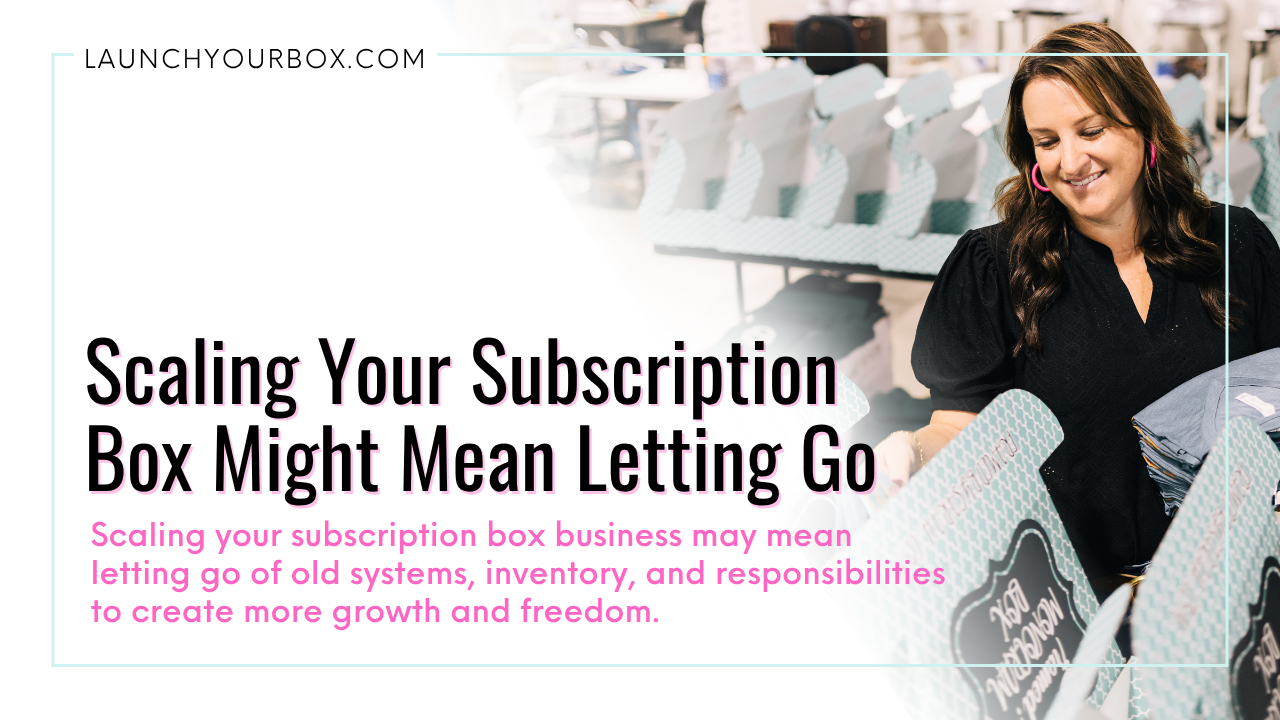
Learn why scaling your subscription box business may mean letting go of old systems, inventory, and responsibilities to create more growth and freedom.
For years, I thought growing a business meant adding more.
More products. More sales. More team members. More space. More responsibilities.
But after more than 13 years in business, I’ve learned something important:
Scaling often looks like releasing, not adding.
Building a business has changed my life in ways I never could have imagined. But I’m learning that building something successful also means having the courage to change it when it no longer fits the life you want to live.
I recently went through one of the biggest transitions I’ve ever made in my business. After nine and a half years of packing and shipping my subscription boxes in-house, I moved the fulfillment of those boxes to a third-party fulfillment center.
That meant leaving my 7,000-square-foot warehouse.
It meant selling equipment and fixtures and liquidating thousands of pieces of inventory.
It meant changing platforms, changing systems, and letting go of control over parts of my business I managed for years.
And none of it was easy. But it was necessary.
When Your Business Starts Taking Too Much From You
I run two businesses: my subscription box coaching business, Launch Your Box and my retail and subscription box business, Framed.
For a long time, running Framed felt like having another full-time job. And the surprising part was that most of my time wasn’t being spent on my subscription boxes.
It was being spent creating seasonal collections, buying products for the store, planning promotions, and constantly coming up with things to sell.
Why was I spending all that time on something that wasn’t the “main thing” in my business?
Because I had employees I needed to keep busy.

If we only packed subscription boxes, my team might have had two weeks of work each month. So I felt constant pressure to create more products and generate more sales to support the infrastructure I had built.
But when I really started looking at my numbers, I discovered something I couldn’t ignore.
All that extra work accounted for only about 20% of my overall sales. But it was taking more than half of the time I spent working on Framed.
Something had to change.
The Numbers Helped Me See What I Couldn't See Before
Last year, I spent a lot of time working with a fractional CFO and digging deeply into my numbers.
I considered selling Framed. Then I pulled back from selling it.
Hear the whole story in this episode of the Launch Your Box Podcast.
And eventually, I realized something.
I still loved my subscription box business. I just didn’t love everything I had built around it.
And I realized I didn’t have to walk away from something I was proud of.
I could change it. And that realization changed everything.
I started asking myself, What would this business look like if I only had to focus on subscriptions?
That question eventually led me to a fulfillment center.
But getting there meant making several big changes.
Step 1: Rebranding My Subscription Box
My original subscription box was built around customization. Every box included products personalized with each subscriber’s initials.
That customization was part of what made the box special. It was also the reason I couldn’t move fulfillment outside my warehouse.
Fulfillment centers simply weren’t set up to handle the level of customization we were doing.
So I had a decision to make.
If I wanted to keep running this business in a way that worked for the season of life I’m in now, I needed to let go of something I had built the entire brand around.
That was hard.
I worried my subscribers wouldn’t want the box without monograms. I wondered whether changing something so central to the brand would hurt the business.
But I also knew the business couldn’t continue in its current form if I wanted to be the one running it.
So we rebranded to the StyleBox.
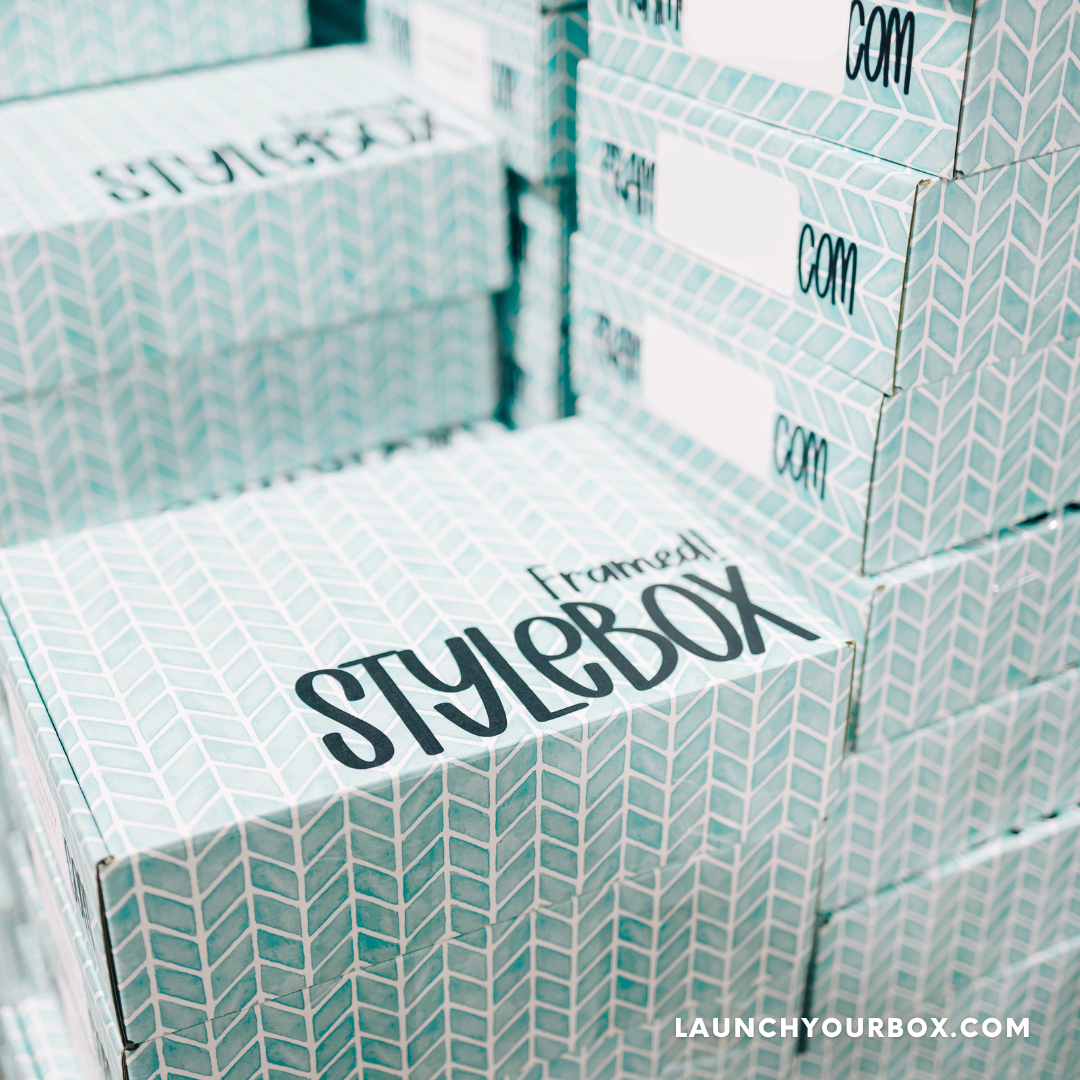
And instead of surprising our subscribers with the change, we brought them along for the journey.
We talked about the rebrand for months. Our subscribers helped choose the new logo and design the new box. We gave them plenty of time to understand what was changing and why.
Most importantly, we didn’t cancel the old subscription and ask everyone to sign up for something new.
We transitioned our existing subscribers into the new subscription and gave them the option to cancel if they didn’t want to continue.
The result? Very few cancellations.
One of the biggest lessons I learned from this process was that change doesn’t have to mean losing your customers.
When you communicate openly and bring your subscribers along with you, they may be much more willing to embrace change than you expect.
Step 2: Changing Subscription Platforms
Rebranding wasn’t the only big change we needed to make.
Our fulfillment center integrates with Shopify, which meant moving our subscribers from WooCommerce to a completely new platform.
We had been using WooCommerce for nine and a half years.
I was nervous.
- What if we lost subscribers during the migration?
- What if there were payment issues?
- What if the technology didn’t work the way we expected?
But once again, the business we were building required us to make a change.
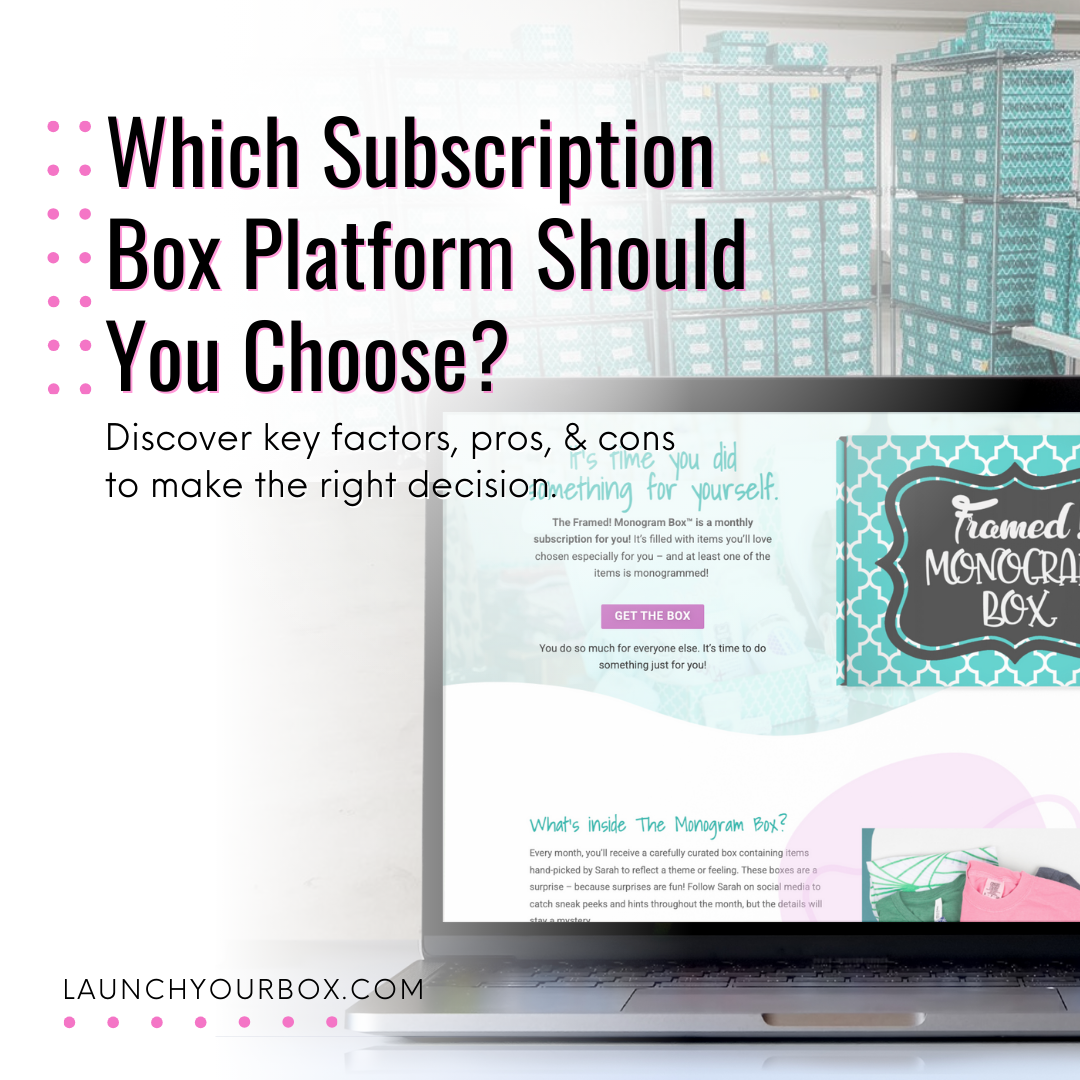
With careful planning and a lot of behind-the-scenes work from my team, we migrated 100% of our subscribers to the new platform.
Was there a learning curve? Of course.
Any time you make a major technology change, there will be things to figure out.
But the new system feels simpler, less clunky, and better equipped to support where the business is going.
Sometimes the systems that got you where you are aren’t the systems that will get you where you want to go next.
Step 3: Liquidating Years of Inventory
This may have been the most exhausting and emotional part of the entire transition.
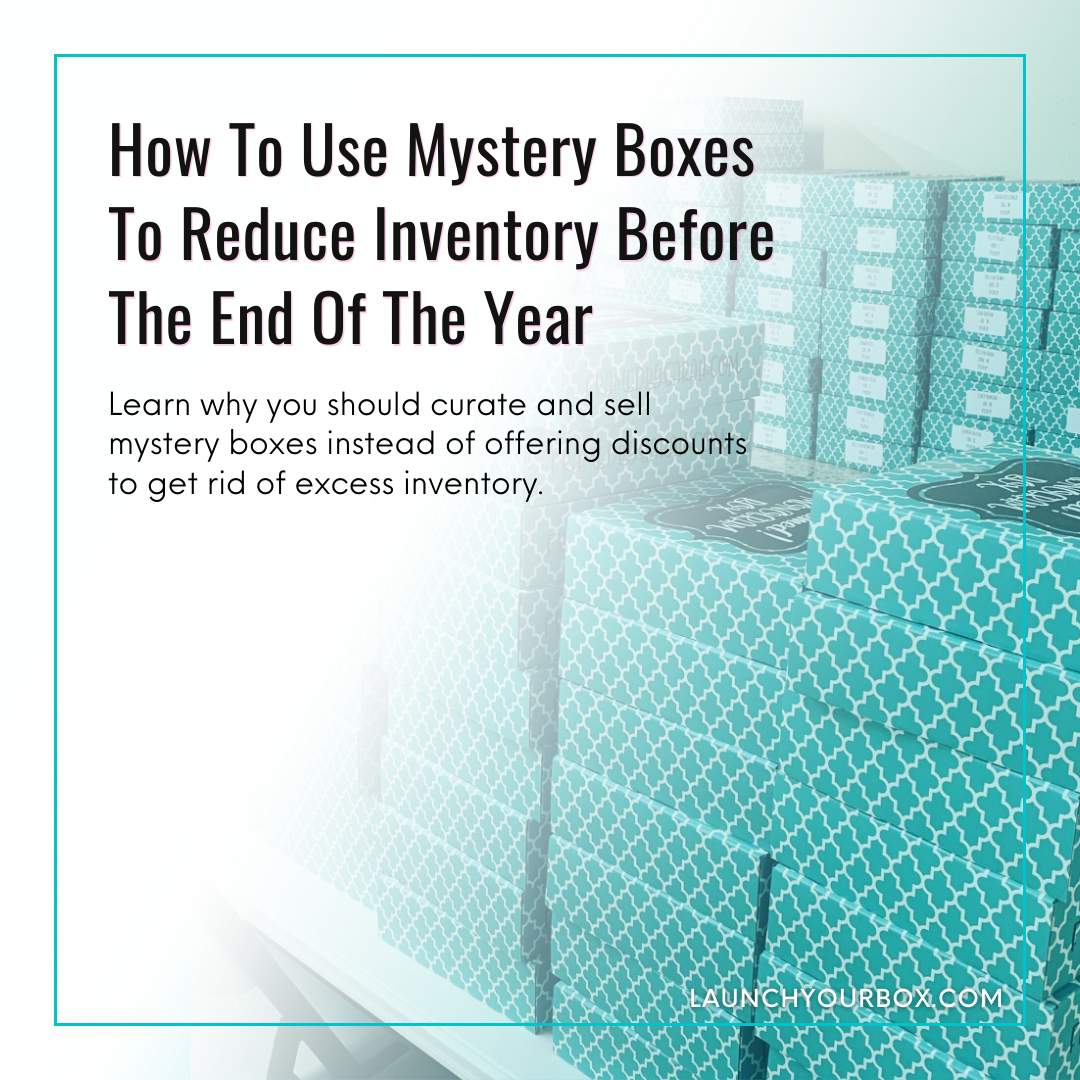
When we started, I had approximately 16,000 pieces of inventory sitting in my warehouse.
Over the years, it had accumulated.
There was always something more urgent to focus on.
- Getting new subscribers.
- Launching the next collection.
- Planning the next promotion.
Meanwhile, all that inventory sat on the shelves.
And what I had to remind myself was that those products weren’t just products.
They were money.
Money sitting on shelves instead of in my bank account.
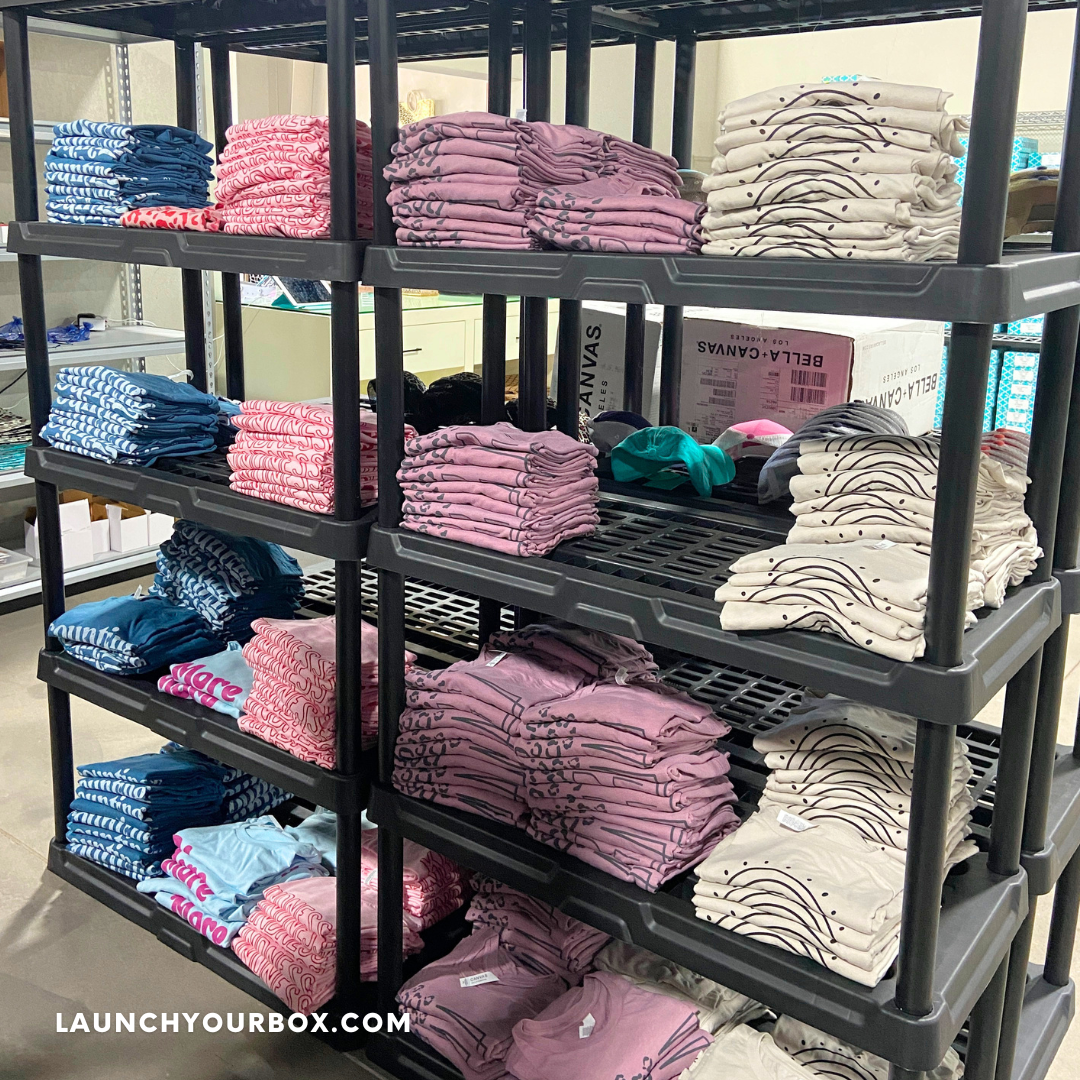
We started liquidating slowly with $10 Tuesdays and $20 Thursdays.
Then we moved into increasingly larger percentage-off sales.
Eventually, I started selling inventory through live Whatnot shows.
And I had to get comfortable selling some products for less than I had paid for them.
That was hard.
Many of these were products I had designed, manufactured, and personally chosen for my business. There were emotions attached to them.
But I had to ask myself:
What was I going to do with all of this inventory once I no longer had a warehouse?
I couldn’t take it with me. And I certainly couldn’t store thousands of products in my living room. So, I had to let it go.
And something surprising happened.
Liquidating that inventory put cash back into my business at exactly the time I needed it.
As I started purchasing products for future subscription boxes, I was hit with a $36,000 manufacturing bill.
And I could pay it because I had finally turned the products sitting on my shelves back into cash.
If you’re struggling with cash flow while old inventory sits around your warehouse, office, or garage, give yourself permission to sell it.
Even if you have to sell some of it for less than you paid.
Keeping it on a shelf for another year isn’t going to help your business move forward.
The Lesson I Keep Coming Back To
Throughout this transition, I kept reminding myself of one thing:
Scaling often looks like releasing, not adding.
- I released my warehouse.
- I released the expenses that come with it.
- I released the pressure to constantly create new products just to keep employees busy.
- I released systems that no longer serve the business.
And I had to release something else.
Control.
Step 4: Trusting Someone Else With My Subscription Boxes
I controlled the packing and shipping experience of my subscription boxes for nine and a half years.
Turning that over to a fulfillment center meant trusting someone outside my team to pack and ship them for the first time.
So yes, I was nervous.
I care deeply about the experience my subscribers have when they receive and open their boxes.
I wanted that experience to remain special.
But I also knew I couldn’t continue to control every part of the business if I wanted it to grow in a way that gives me more freedom.
One idea I’ve been reminding myself of comes from Dan Martell:
80% done by someone else is 100% awesome.
Will there be hiccups? Probably. Will everything be done exactly the way I would do it? Maybe not.
But learning to trust the process and other people is part of scaling too.
Check out this blog post to learn more about what a fulfillment center can do for your subscription box business.
What Are You Holding Onto?
This transition has taught me that sometimes we build things in our businesses that make perfect sense at one stage of growth.
Then we keep holding onto them long after they stop serving us.
- Products
- Systems
- Platforms
- Expenses
- Responsibilities
- Even parts of our identity
Framed was my first business. I’ve been deeply connected to the local presence we built and to the warehouse where so much of that growth happened.
Walking away from that is emotional because this business has changed my life.
It has helped me provide for my family. It has given me opportunities I never imagined when I started 13 years ago. It has challenged me, stretched me, and shown me I’m capable of doing things I once had no idea how to do.
And I’m incredibly proud of what I’ve built.
But I’m learning that being proud of what you built doesn’t mean you have to keep doing everything the same way forever.
You’re allowed to change and to want something different from your business.
You’re allowed to look at the season of life you’re in now and build a business that supports where you’re going, not one that keeps you tied to where you’ve been.
For me, that means more time to focus on marketing. More opportunities to grow my subscription box. Better systems. More freedom.
And more time for me.
That’s what I want for the women I teach, too.
Yes, I want you to build a successful subscription box business. I want you to find subscribers, make sales, and create recurring revenue.
But I want something bigger for you, too.
I want you to build something that makes you proud.
I want you to experience the confidence that comes from figuring out something you weren’t sure you could do. To create income that makes a difference for you and your family.
And I want you to know that you are allowed to keep changing, growing, and deciding what success looks like for you.
If you’re feeling stretched too thin in your business right now, ask yourself:
What am I holding onto simply because it’s the way I’ve always done things?
Then look at your numbers. Look at your time. And look at what’s draining your energy without giving enough back to your business or your life.
Maybe your next level doesn’t require adding another product, another employee, another offer, or another responsibility.
Maybe it requires believing that you’ve built something worth protecting and giving yourself permission to build its next chapter differently.
Because sometimes the smartest way to grow isn’t to do more. It’s to finally let go of what’s keeping you from moving forward.
Learn from me:
- Subscription Box Blueprint eBook: This $17 ebook covers logistics from product selection to packaging to shipping. Plus a 90-day launch plan and bonus ‘Instant Scripts’ for your social media.
- Launch Your Box: My complete training program that walks you step by step through how to start, launch, and grow your subscription box business.
- Launch Your Box Podcast: I share tons of practical tips and strategies to help you start, launch, and grow your subscription box business. You’ll also hear from industry experts and current Launch Your Box members who are crushing it - get ready to get inspired!
- One Box at a Time: Inside my book One Box at a Time, I show you the steps you need to follow to start and launch your subscription box. To turn your dream into reality. This book is filled with proven teachings, valuable resources, best practices, and action steps for you to take.
Find me on social:
-
Facebook: @SubBoxwithSarah
-
Instagram: @howtostartasubbox
- YouTube: @sarahwilliams5836
Are you ready for Launch Your Box? Our complete training program walks you step by step through how to start, launch, and grow your subscription box business. Join now and get started!
Hear from Sarah each week!
Do you want weekly tips for starting, launching, and growing a subscription box? Subscribe to get our latest content by email.
By submitting you are agreeing to receive Sarah's awesome newsletters to learn more about how to start a subscription box! Cancel anytime.